
Tampa / Florida
Venue-led trade show display planning for the bay-area event calendar.
813-946-8577info@tradeshowdisplaystampa.comStart the display brief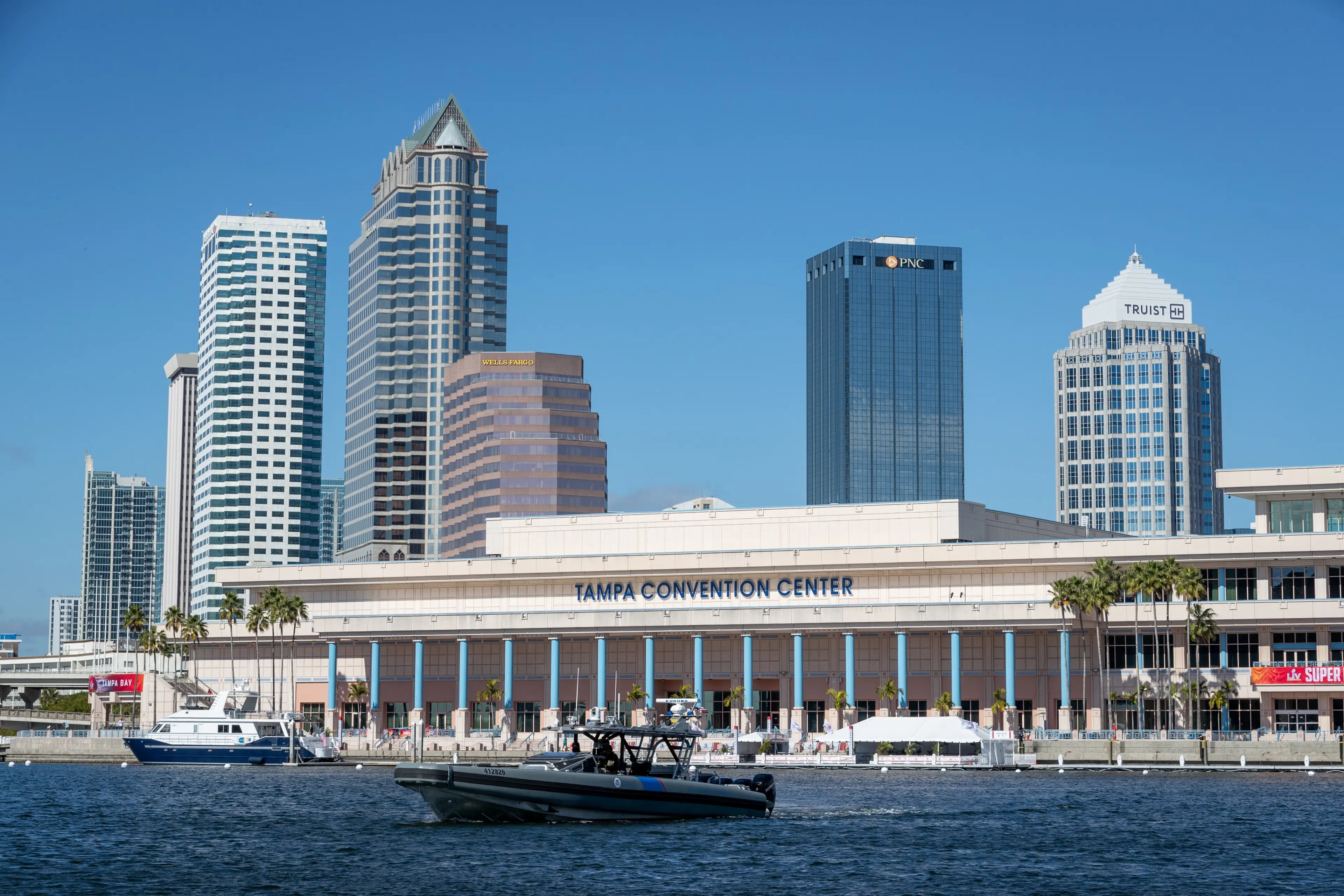
Trade show displays for Tampa venues, launches, and convention floors.
Trade Show Displays of TampaStrategic exhibit planning for Tampa conventions, hotel programs, sponsor environments, and bay-area activations that need the same concept to survive different rooms, calendars, and venue rules.Start the display brief
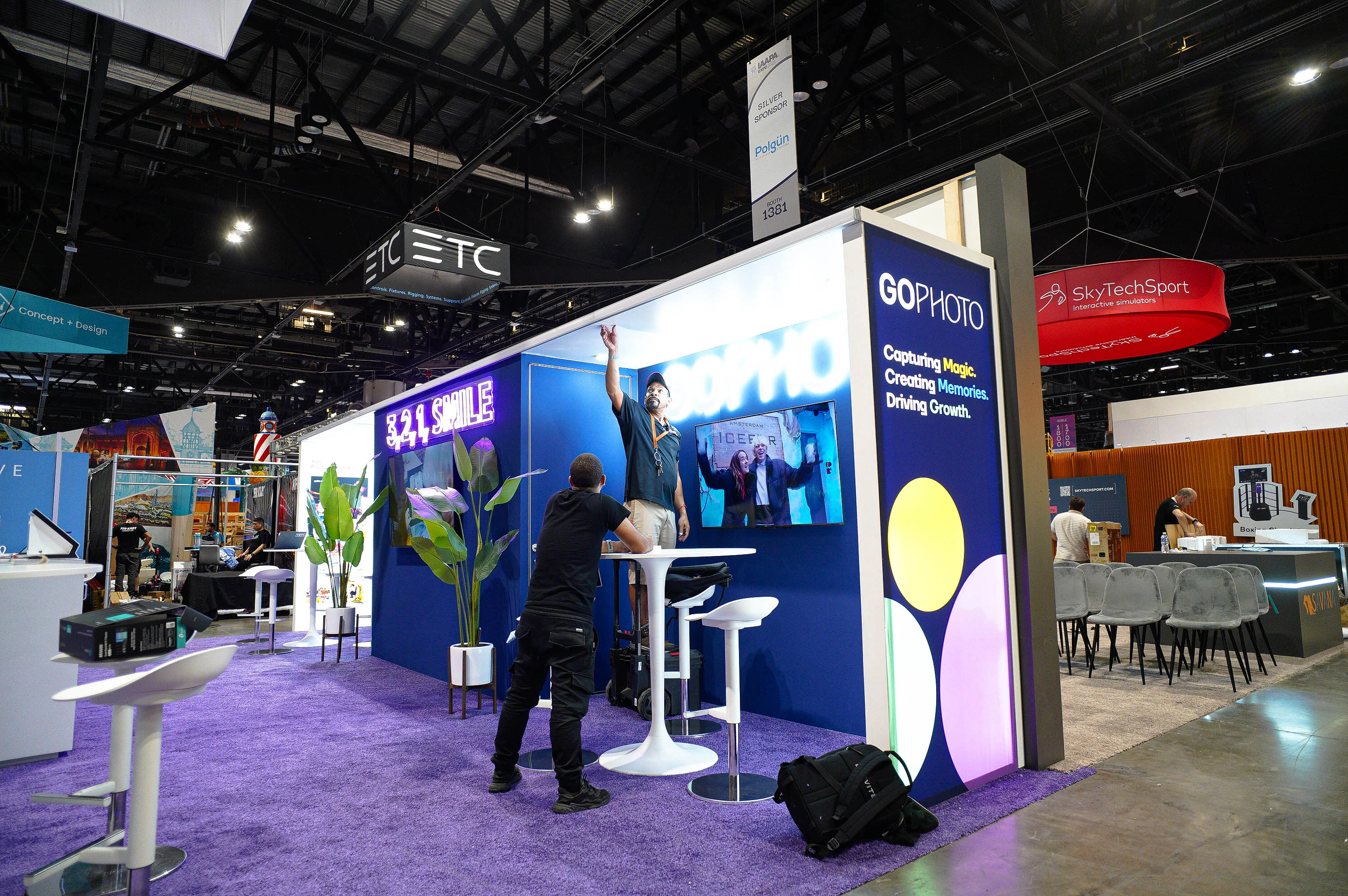
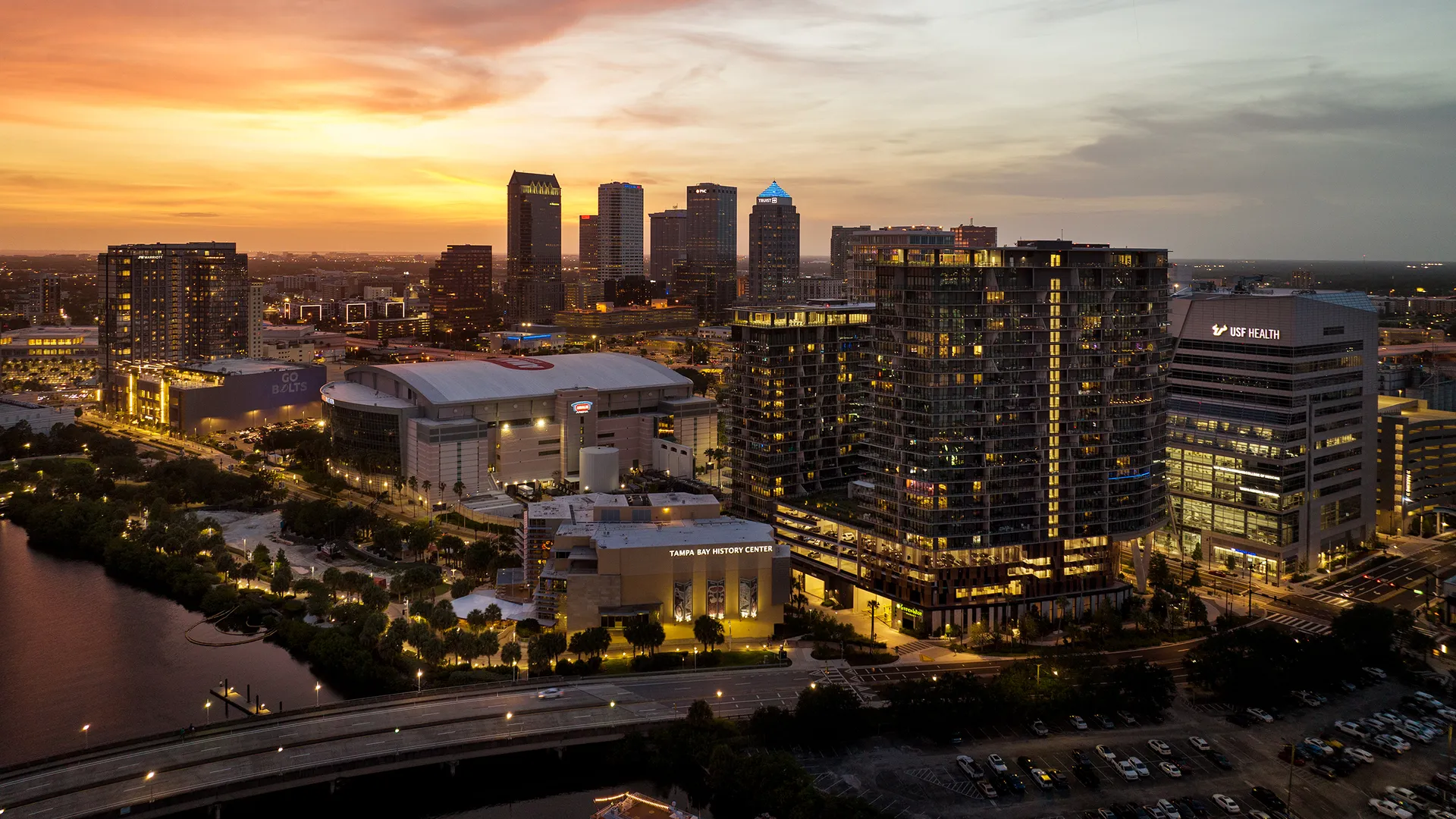
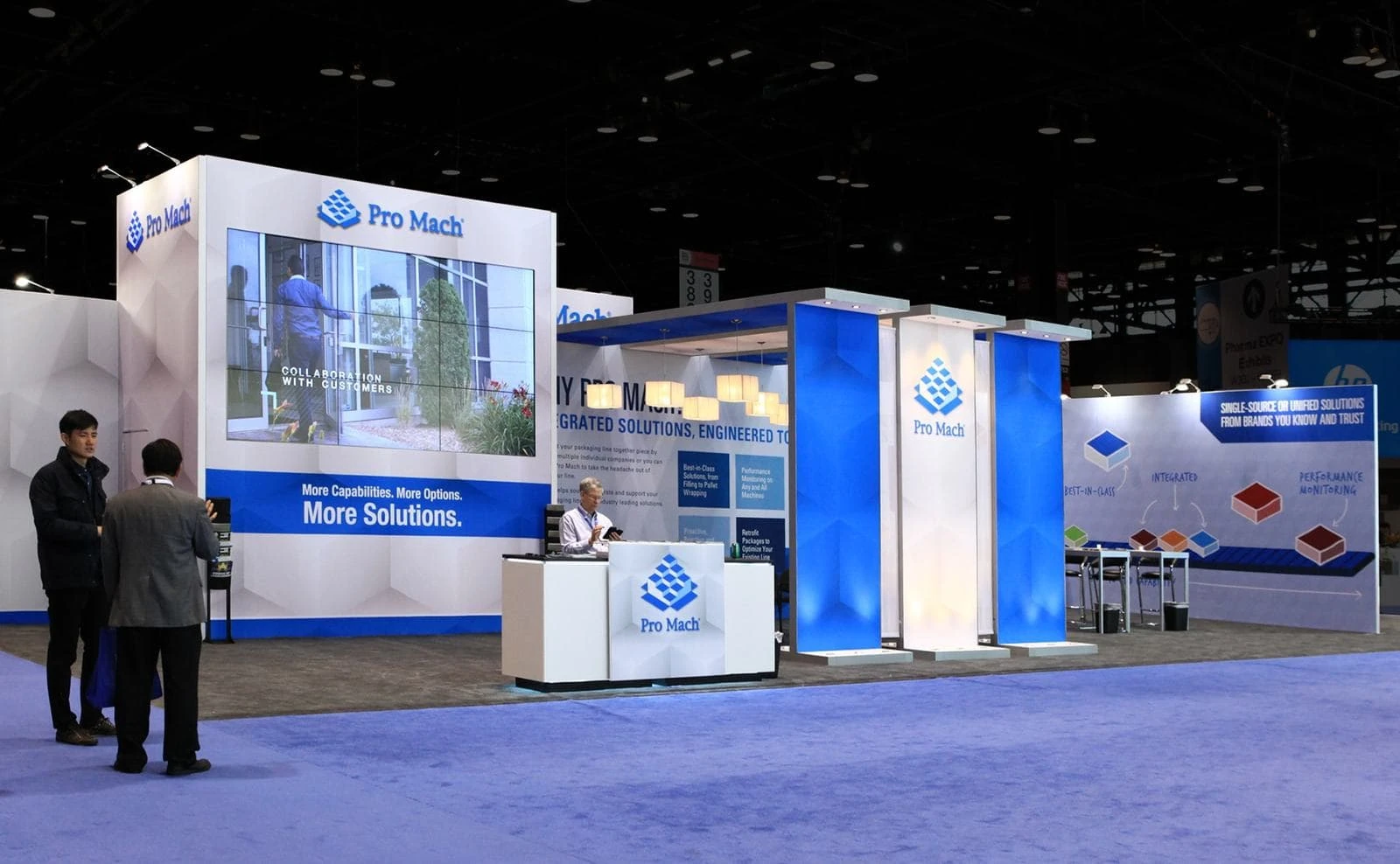
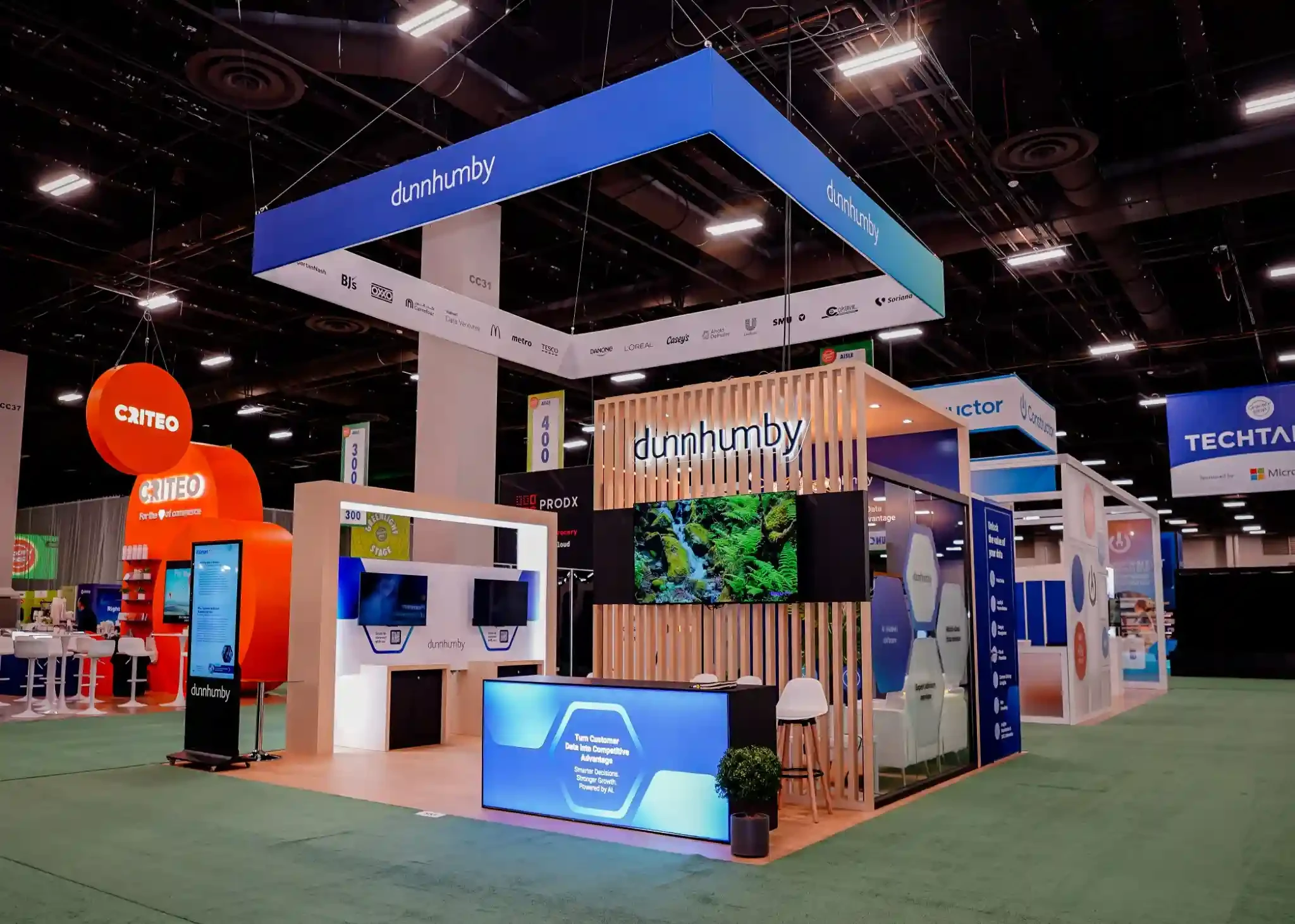
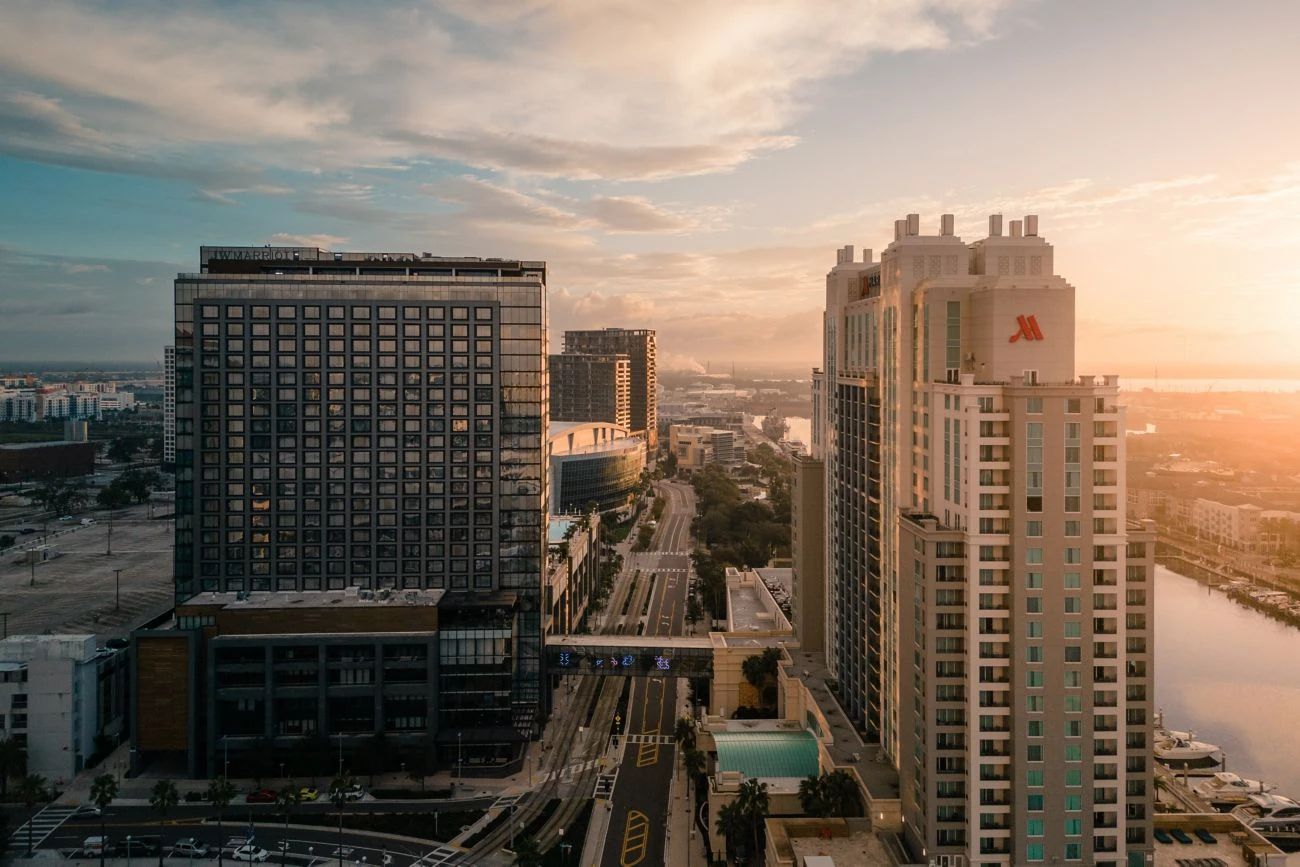
Display Systems
Displays should still look deliberate after venue rules, graphics deadlines, and labor windows start closing in.
Trade show display work moves fast when the planning is explicit. The structure has to fit the venue, support the buyer journey, survive graphics production, and still be installable inside the labor and service conditions that define Tampa show week.
The content stack spans services, locations, venues, event types, booth formats, and industries together. A buyer should be able to enter through the planning angle that is already controlling the decision and keep moving until the scope feels clear enough to act on.
About the buildShow Rhythm
Good Tampa display programs keep three moving parts in view.
The booth has to read clearly, build realistically, and land cleanly once venue timing, labor, and show-floor pressure compress the schedule.
- Design
- Fabricate
- Install
Next Show Planning
Start with the next decision, not the last-minute scramble.
Start with the show date, the venue, or the booth scope. Once the core constraints are visible, graphics, logistics, labor, approvals, and reuse planning are easier to evaluate honestly.
Start a project brief↗